

Security Challenges Facing Modern Railway Freight Facilities
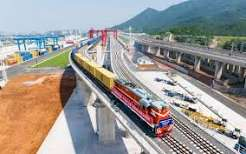
Railway freight terminals are among the busiest transport hubs in modern logistics. Every day, they handle valuable cargo, heavy machinery, industrial materials, and hazardous goods that support manufacturing, retail, and international trade. Because these facilities often cover large areas and operate around the clock, maintaining effective security can be challenging. Cargo theft, trespassing, vandalism, and unauthorised access remain common concerns for railway operators worldwide.
A comprehensive security strategy helps minimise these risks while ensuring safe and efficient operations. Rather than relying on a single protective measure, many freight terminals combine physical barriers with surveillance systems, controlled access points, and regular security inspections to create multiple layers of protection.
The Importance of Perimeter Protection
A secure perimeter is one of the first lines of defence for any railway freight terminal. Clearly defined boundaries help prevent unauthorised entry while allowing security teams to monitor movement around the site more effectively. Installing a durable security fence can help establish a strong physical barrier that protects loading areas, storage yards, maintenance facilities, and operational infrastructure.
Modern wire mesh fencing is designed to resist cutting and climbing while maintaining clear visibility for CCTV cameras and patrol personnel. This visibility allows security staff to detect suspicious activity quickly without creating blind spots around the perimeter. When combined with controlled access gates and identification systems, perimeter fencing also improves visitor management and restricts entry to authorised personnel.
Routine inspections are equally important. Checking fencing for damage, ensuring gates function correctly, and repairing weak sections promptly can significantly reduce potential security vulnerabilities.
Reducing Trespassing and Cargo Theft Risks
Railway cargo yards frequently store containers, construction materials, machinery, and other valuable goods that may remain unattended for extended periods. This makes them attractive targets for theft and vandalism. Adding extra protection to perimeter fencing can discourage intruders from attempting to gain access.
In locations where additional security is required, razor wire may be installed along the top of security fences. Its sharp, reinforced design provides an effective anti-climb barrier while acting as a highly visible deterrent. When integrated with motion sensors, alarm systems, and high-definition surveillance cameras, this additional protection strengthens the overall security of the facility.
Adequate lighting also plays an important role in reducing security risks. Well-lit loading bays, maintenance yards, and access roads improve camera performance during the night while making it more difficult for trespassers to move around unnoticed.
Protecting Hazardous Cargo Storage Areas
Many railway terminals transport chemicals, fuels, industrial gases, and other hazardous materials that require additional protective measures. Accidental impacts, equipment failures, or vehicle collisions near these storage areas can create serious safety risks if proper containment systems are not in place.
For locations requiring temporary or permanent protective structures, a hesco barrier for sale can provide a practical containment solution. These modular barriers are filled with locally available materials such as sand, gravel, or soil to create strong impact-resistant walls. Their flexible design allows them to be deployed quickly around hazardous cargo zones, maintenance projects, or emergency response areas where additional protection is needed.
Because they can be installed rapidly and adapted to different site layouts, modular barriers are frequently considered for both short-term construction work and long-term infrastructure protection.
Combining Physical Security with Smart Technology
Physical barriers are most effective when supported by modern security technology. CCTV systems, thermal imaging cameras, motion detection sensors, automated access control, and remote monitoring platforms provide continuous surveillance across large railway facilities. These technologies enable security personnel to identify unusual activity quickly and respond before incidents escalate.
Routine security assessments further strengthen protection by identifying potential weaknesses in fencing, surveillance coverage, lighting, and emergency procedures. Employee training is equally valuable, ensuring workers understand access protocols, recognise suspicious behaviour, and report security concerns promptly.
Conclusion
Securing railway freight terminals requires a balanced approach that combines durable infrastructure with effective operational planning. Reliable perimeter fencing, anti-climb protection, hazard containment systems, surveillance technology, and ongoing maintenance all contribute to a safer working environment. As railway freight networks continue to expand, investing in layered security measures helps protect valuable cargo, reduce operational disruptions, and support the long-term reliability of rail transport systems.
