

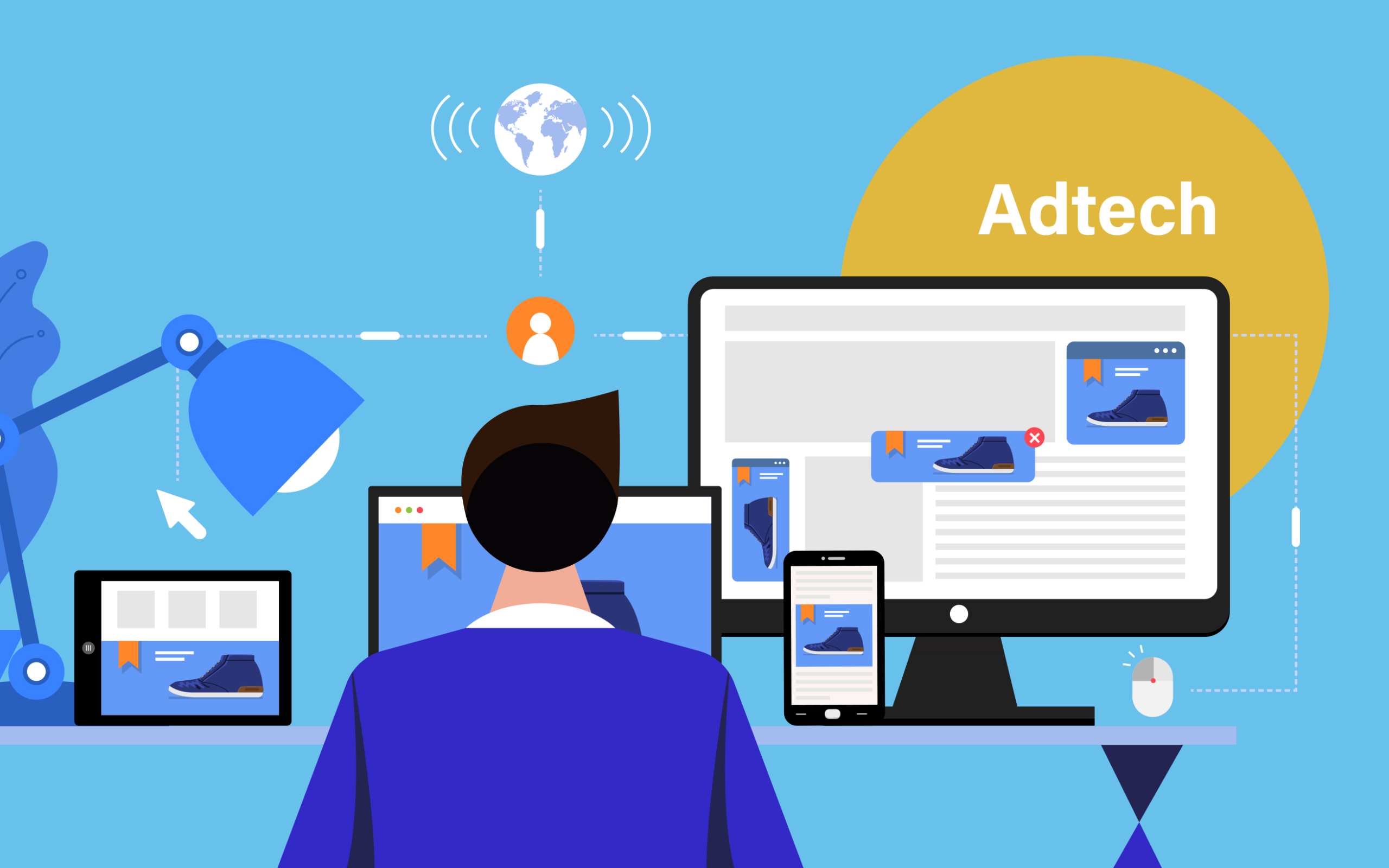
Digital advertising today is not just about showing ads online. It is about showing the right ad to the right person at the right time. This is where AdTech services play a powerful role. AdTech means advertising technology. It includes the tools, platforms, and systems that help businesses plan, run, track, and improve online advertising campaigns.
Whenever you see an ad on Google, YouTube, Facebook, Instagram, a website, or a mobile app, there is usually AdTech working behind it. This technology helps brands reach people who are more likely to be interested in their products or services. Instead of wasting money on random users, businesses can use AdTech to target the right audience and get better results.
What Are AdTech Services?
AdTech services are digital tools used to manage online ads. These services help advertisers buy ad space, choose target audiences, track performance, and improve campaigns.
In simple words, AdTech connects advertisers with online users. It helps businesses answer important questions like:
- Who should see this ad?
- Where should the ad appear?
- How much should we spend?
- Which ad is getting clicks?
- Which campaign is bringing sales?
For example, if someone searches for running shoes and later sees shoe ads on another website, that is AdTech in action. The system understands user interest and shows a related ad.
Why AdTech Services Matter
Online competition is very high. Many brands are trying to reach the same customers. Without smart advertising technology, businesses can waste a lot of money on ads that do not work.
AdTech services make advertising smarter. They help businesses reach people based on interests, location, device, search behavior, and online activity. This means the ad is shown to users who may actually care about it.
For small businesses, AdTech can help save budget. For large brands, it can help manage big campaigns across many platforms. For publishers, it can help earn money by selling ad space on websites or apps.
Adtech platforms can enhance cross-channel campaigns through QR code integration that connects offline ads to digital analytics
How AdTech Works
AdTech works through data, automation, and digital ad platforms. The process usually starts when a business creates an ad campaign. Then the system checks the target audience, available ad spaces, and campaign budget.
After that, the ad is shown on websites, apps, search engines, or social platforms. When users see or click the ad, the system tracks the result. This data helps advertisers understand what is working and what needs improvement.
Many AdTech platforms work in real time. This means ads can be selected and shown within seconds. This speed helps brands reach users at the perfect moment.
Main Types of AdTech Services
There are different types of AdTech services. Each one has its own job in digital advertising.
1. Demand-Side Platform
A Demand-Side Platform, also called a DSP, helps advertisers buy online ad space automatically. Advertisers can use a DSP to run ads across many websites and apps from one dashboard. It helps manage budget, audience targeting, and campaign performance.
2. Supply-Side Platform
A Supply-Side Platform, also called an SSP, is used by publishers. Website owners and app owners use SSPs to sell their ad space to advertisers. This helps publishers earn revenue from their content.
3. Ad Exchange
An ad exchange is like an online marketplace for ads. Advertisers buy ad space, and publishers sell it. This buying and selling often happens through real-time bidding, where advertisers compete to show their ad to a user.
4. Ad Server
An ad server stores and delivers ads. When a user opens a website or app, the ad server decides which ad should appear. It also tracks impressions, clicks, and conversions.
5. Data Management Platform
A Data Management Platform, or DMP, collects audience data. This data helps advertisers understand user interests and create better targeting. For example, a travel brand can target people who recently searched for flights or hotels.
6. Retargeting Services
Retargeting shows ads to people who already visited a website or viewed a product. For example, if a user visits an online store but does not buy anything, retargeting can show that product again later. This helps bring users back and increases sales chances.
Benefits of AdTech Services
- AdTech services offer many benefits for businesses.
- First, they improve audience targeting. Brands can show ads to people based on real interests and behavior.
- Second, they reduce wasted ad spend. Instead of showing ads to everyone, businesses can focus only on useful audiences.
- Third, they provide real-time tracking. Advertisers can see how many people viewed, clicked, or bought something from an ad.
- Fourth, they improve return on investment. Better targeting and better tracking often lead to better campaign results.
- Fifth, they help create personalized ads. Users are more likely to respond when ads match their needs.
AdTech and Programmatic Advertising
Programmatic advertising is one of the most important parts of AdTech. It uses automation to buy and sell digital ads. Instead of manually choosing each website, advertisers use software to place ads automatically.
This makes advertising faster, more accurate, and easier to manage. Programmatic advertising is used for display ads, video ads, mobile ads, and native ads.
AdTech vs MarTech
Many people confuse AdTech with MarTech. Both are useful, but they are different.
AdTech focuses on paid advertising. It helps brands reach new audiences through ads.
MarTech focuses on marketing management. It includes tools like email marketing, CRM, content marketing, and customer engagement.
In simple words, AdTech brings people to your brand. MarTech helps manage and build relationships with those people.
Challenges in AdTech
AdTech is powerful, but it also has some challenges. Data privacy is a big concern because users want control over their personal information. Businesses must use data safely and follow privacy rules.
Ad fraud is another issue. Fake clicks and bot traffic can waste ad budgets. Good AdTech platforms help detect and reduce this problem.
Ad fatigue can also happen when users see the same ad too many times. Brands need fresh designs and smart frequency control to keep ads effective.
Future of AdTech Services
The future of AdTech will be more focused on artificial intelligence, automation, and privacy-friendly advertising. AI can help improve targeting, predict user behavior, test ad creatives, and reduce fraud.
Businesses will also focus more on first-party data. This means using data collected directly from customers safely and honestly.
As digital advertising grows, AdTech services will become even more important for brands that want better results online.
Conclusion
AdTech services are the technology behind modern digital advertising. They help businesses plan, manage, deliver, track, and improve online ad campaigns. From DSPs and SSPs to ad servers, retargeting, analytics, and programmatic advertising, AdTech makes online ads smarter and more effective.
For businesses, AdTech means better targeting, lower wasted spend, clear tracking, and stronger results. In today’s digital world, any brand that wants to grow online should understand and use AdTech services properly.
