

Introduction
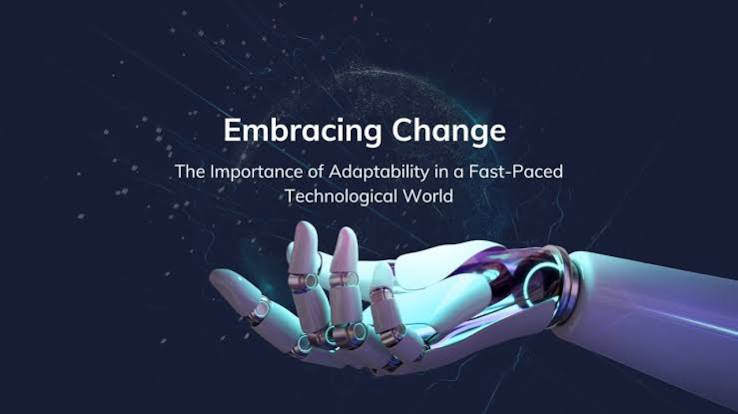
Digital change has become one of the most significant forces shaping modern society, businesses, and personal lifestyles. Technology continues to evolve at a rapid pace, transforming how people communicate, work, learn, and access information. Organizations and individuals that embrace digital transformation are better positioned to grow, compete, and succeed in an increasingly connected world. Whether it is adopting new software, improving online experiences, or understanding emerging technologies, adapting to digital change is no longer optional. Platforms and digital services such as batman138.id demonstrate how online environments continue to evolve and influence user experiences in today’s technology-driven era.
The ability to adjust to digital advancements helps businesses remain competitive while allowing individuals to develop valuable skills for the future. Those who resist technological changes may struggle to keep up with new opportunities, while those who welcome innovation can discover more efficient ways to solve problems and achieve goals.
Understanding Digital Change in the Modern World
Digital change refers to the continuous development and adoption of digital technologies that influence different areas of life. It includes innovations such as artificial intelligence, cloud computing, automation, mobile applications, data analytics, and online communication platforms. These technologies have changed traditional methods and created new possibilities for businesses, governments, and individuals.
In previous decades, companies relied heavily on physical processes, paperwork, and traditional communication methods. Today, digital tools allow organizations to automate tasks, analyze large amounts of information, and connect with customers worldwide. This transformation has created a more flexible and efficient environment where quick adaptation is essential.
Digital change is not only about using new devices or software. It involves developing a mindset that accepts continuous learning and improvement. People and organizations must understand that technology will continue to evolve, and the ability to adjust will determine long-term success.
Why Adapting to Digital Change Is Essential
Staying Competitive in a Digital Economy
One of the main reasons for adapting to digital change is maintaining competitiveness. Businesses across industries are using technology to improve their services, reduce costs, and provide better customer experiences. Companies that fail to adopt modern solutions may lose their position to competitors who use digital strategies effectively.
For example, businesses now rely on online marketing, e-commerce platforms, and digital communication channels to reach customers. These tools allow companies to expand their audience and create stronger relationships with consumers. Adapting to these changes helps organizations remain relevant in a constantly changing marketplace.
Improving Efficiency and Productivity
Digital technologies provide powerful solutions for increasing productivity. Automation tools can handle repetitive tasks, allowing employees to focus on more creative and strategic activities. Cloud-based systems enable teams to collaborate from different locations, making work processes faster and more flexible.
By adopting digital solutions, businesses can reduce errors, save time, and improve overall performance. Employees who understand modern technologies can complete tasks more effectively and contribute to organizational growth.
Enhancing Customer Experiences
Customer expectations have changed significantly due to digital innovation. People now expect fast responses, personalized services, and convenient access to products and information. Businesses must adapt by using digital tools that improve customer interactions.
Websites, mobile applications, artificial intelligence assistants, and online support systems help companies provide better services. Organizations that understand digital trends can create stronger connections with their customers and build long-term loyalty.
The Role of Digital Skills in Successful Adaptation
Developing digital skills is one of the most important steps toward adapting to technological change. As industries become more dependent on technology, employees need to understand how to use digital tools effectively. Skills such as data analysis, online communication, cybersecurity awareness, and software management are becoming increasingly valuable.
Continuous learning plays a major role in digital adaptation. Technology changes quickly, and knowledge that is useful today may become outdated tomorrow. Individuals who regularly improve their skills are more prepared for new opportunities and challenges.
Educational institutions and workplaces also have an important responsibility in promoting digital learning. Providing training programs and encouraging technology awareness can help people confidently navigate the digital world.
Overcoming Challenges During Digital Transformation
Although digital change offers many benefits, adapting to new technologies can also create challenges. Some individuals and organizations may experience difficulties because of limited knowledge, financial restrictions, or resistance to change.
One common challenge is the fear of unfamiliar technology. People may hesitate to adopt new systems because they are comfortable with traditional methods. However, proper training and support can reduce uncertainty and make the transition easier.
Another challenge is maintaining security and privacy. As more activities move online, protecting sensitive information becomes increasingly important. Organizations must invest in cybersecurity measures and educate users about safe digital practices.
Successful digital adaptation requires patience, planning, and a willingness to improve. Instead of viewing technology as a disruption, people should see it as an opportunity for growth and innovation.
How Businesses Can Successfully Adapt to Digital Change
Businesses can take several steps to successfully manage digital transformation. The first step is creating a clear digital strategy that aligns technology with business goals. Companies should identify areas where digital tools can improve operations and customer experiences.
Investing in employee training is another important factor. Workers need the knowledge and confidence to use new technologies effectively. Organizations that support learning create a workforce capable of handling future technological developments.
Businesses should also focus on flexibility and innovation. Since digital trends constantly change, companies must be willing to experiment with new ideas and adjust their strategies when necessary. A culture of innovation helps organizations stay prepared for future challenges.
The Impact of Digital Change on Everyday Life
Digital transformation has influenced almost every aspect of daily life. Communication has become faster through social media, messaging applications, and video conferencing. Education has expanded through online learning platforms, allowing people to access knowledge from anywhere in the world.
Healthcare, transportation, banking, and entertainment have also experienced major digital improvements. Online banking services make financial transactions easier, while digital healthcare solutions provide convenient access to medical information and support.
These changes show that technology is not only a business tool but also an essential part of modern living. Adapting to digital change allows individuals to benefit from improved services and greater convenience.
The Future of Digital Adaptation
The future will bring even more advanced technologies, including artificial intelligence, machine learning, robotics, and advanced automation. These developments will continue to reshape industries and create new ways of working and living.
To succeed in the future, individuals and organizations must develop adaptability as a core skill. The ability to learn, adjust, and embrace innovation will become increasingly important in a technology-driven society.
Digital transformation is an ongoing journey rather than a one-time process. Those who continuously explore new technologies and improve their digital abilities will have a stronger advantage in the future.
Conclusion
Adapting to digital change is essential for success in today’s rapidly evolving world. Technology has transformed how people communicate, work, and interact with businesses, making digital awareness more important than ever. Organizations that embrace innovation can improve efficiency, strengthen customer relationships, and remain competitive.
Individuals who develop digital skills and maintain a willingness to learn can take advantage of new opportunities created by technological progress. Although digital transformation may present challenges, the benefits of adaptation far outweigh the difficulties.
The digital future will continue to bring new developments, and the ability to adapt will determine how effectively people and businesses respond to change. By accepting innovation and continuously improving digital knowledge, society can create a more connected, efficient, and successful future.
