

Introduction
Technology has continuously evolved from simple tools into intelligent systems that influence how people communicate, work, learn, and entertain themselves. Interactive technology represents one of the most exciting areas of innovation because it focuses on creating meaningful connections between humans and digital environments. From voice assistants and virtual reality to artificial intelligence and smart devices, interactive technology is changing the way people experience the world around them. The future promises even more advanced solutions that will make digital interactions more natural, personalized, and immersive. As platforms and digital experiences continue to expand, websites like luxury12a5.com demonstrate how modern online environments are becoming increasingly focused on user engagement and interactive experiences.
The next generation of interactive technology will not simply respond to commands; it will understand human needs, emotions, and behaviors. These developments will create new opportunities across industries, including healthcare, education, entertainment, business, and communication.
Understanding Interactive Technology
Interactive technology refers to digital systems that allow users to actively engage with devices, applications, or virtual environments. Unlike traditional technologies that provide one-way communication, interactive solutions create a two-way relationship between humans and machines.
Examples of interactive technology include:
- Artificial intelligence-powered assistants
- Virtual reality (VR) and augmented reality (AR)
- Touchscreen interfaces
- Smart home systems
- Gesture recognition technology
- Voice-controlled applications
- Interactive learning platforms
These technologies are designed to make digital experiences more intuitive. Instead of adapting to complicated systems, users can communicate naturally through speech, movement, and behavior.
The Growth of Artificial Intelligence in Interactive Experiences
Artificial intelligence is one of the strongest driving forces behind the future of interactive technology. AI enables machines to analyze information, recognize patterns, and make decisions based on user preferences.
Modern AI systems can already provide personalized recommendations, answer questions, automate tasks, and assist users in daily activities. In the future, AI will become even more advanced by understanding context, emotions, and individual preferences.
For example, an intelligent assistant may not only respond to a question but also understand the user’s mood, schedule, and previous interactions. This will allow technology to provide more helpful and human-like experiences.
Businesses will also benefit from AI-powered interactions. Customer service systems, marketing platforms, and digital assistants will become more efficient by delivering customized solutions based on real-time user information.
Virtual Reality and Augmented Reality: A New Digital Dimension
Virtual reality and augmented reality are expected to play a major role in shaping future interactive experiences. These technologies allow users to enter digital environments or combine virtual elements with the real world.
Virtual reality creates completely immersive experiences through specialized devices, while augmented reality adds digital information to physical surroundings. Both technologies are already being used in gaming, education, healthcare, and professional training.
In the future, VR and AR could transform many aspects of everyday life. Students may attend virtual classrooms where they explore historical events or scientific concepts through immersive simulations. Doctors may use advanced virtual environments for training and medical procedures. Businesses may create virtual showrooms where customers can experience products before purchasing them.
As hardware becomes more affordable and advanced, these technologies will become a normal part of daily digital interaction.
The Rise of Voice and Natural Language Interfaces
Voice technology has changed how people communicate with digital systems. Smart speakers, mobile assistants, and voice-enabled applications have made it possible to interact with technology without traditional input methods.
Future voice interfaces will become more accurate and capable of understanding complex conversations. Instead of using specific commands, users will communicate with devices naturally, just as they speak with other people.
This development will improve accessibility for individuals who have difficulty using traditional interfaces. Voice-based systems will help people complete tasks, access information, and control devices more easily.
Natural language processing will also allow machines to understand different languages, accents, and communication styles, creating more inclusive digital experiences worldwide.
Smart Devices and Connected Environments
The Internet of Things (IoT) is another important element of interactive technology’s future. Smart devices connected through networks can communicate with each other and respond automatically to user needs.
Homes, offices, vehicles, and cities are becoming increasingly connected. Smart lighting systems, intelligent security solutions, automated appliances, and connected vehicles are examples of how technology is creating responsive environments.
In the future, smart environments will become more personalized. A home system may adjust temperature, lighting, and entertainment settings based on individual preferences. Offices may use intelligent systems to improve productivity and create comfortable working conditions.
Connected technology will make everyday experiences more convenient while improving energy efficiency and resource management.
The Impact of Interactive Technology on Education
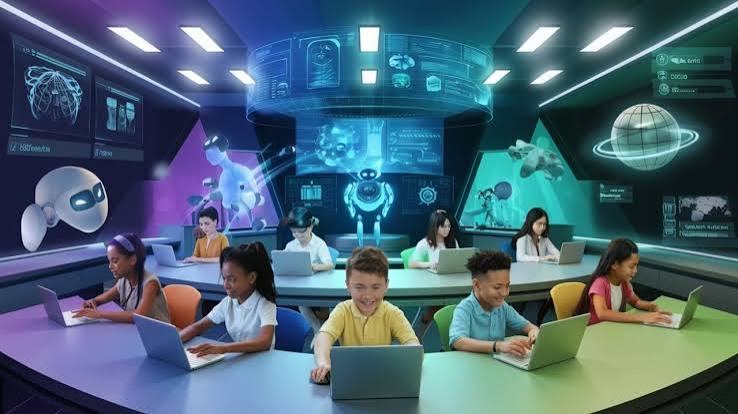
Education is one of the fields that will experience significant transformation through interactive technology. Traditional learning methods are being enhanced by digital tools that encourage engagement and creativity.
Interactive classrooms can provide students with personalized learning experiences based on their abilities and interests. Artificial intelligence can identify areas where students need improvement and suggest suitable learning materials.
Virtual simulations will also allow students to practice skills in realistic environments. Medical students, engineers, and professionals can gain practical experience without the risks associated with real-world training.
The future of education will focus on collaboration, creativity, and personalized learning rather than simple information memorization.
Healthcare and Personalized Digital Solutions
Interactive technology has the potential to revolutionize healthcare by improving communication between patients and medical professionals. Smart devices, wearable technology, and AI-based systems can monitor health conditions and provide valuable insights.
Patients may use interactive applications to track fitness, receive medical guidance, and communicate with healthcare providers remotely. Doctors can use advanced technology to analyze health data and make more informed decisions.
Virtual healthcare environments may also become more common, allowing people to access medical support from anywhere. This will improve healthcare accessibility and create more efficient treatment systems.
The Role of Human-Centered Design
The future of interactive technology will depend heavily on human-centered design. Technology must be created around real human needs rather than focusing only on technical capabilities.
Successful interactive systems will be simple, accessible, and emotionally intelligent. Developers will need to consider privacy, security, and user trust while creating new digital experiences.
A technology that understands users but respects their personal information will be more successful in the long term. Ethical design practices will become increasingly important as digital systems become more powerful.
Challenges Facing Interactive Technology
Although interactive technology offers many benefits, it also presents several challenges. Privacy concerns, cybersecurity risks, and ethical questions must be addressed as digital systems collect and process more information.
Protecting user data will become a major priority. Companies and developers must create secure systems that prevent unauthorized access and misuse of personal information.
Another challenge is ensuring equal access to advanced technology. As innovations continue to grow, it will be important to prevent digital inequality and make new solutions available to diverse communities.
Balancing innovation with responsibility will determine how successfully interactive technology develops in the future.
The Future of Human-Machine Collaboration
The future of interactive technology is not about replacing humans but creating stronger partnerships between people and machines. Advanced systems will handle repetitive tasks, analyze complex information, and provide support, allowing humans to focus on creativity, problem-solving, and decision-making.
Workplaces will become more collaborative as employees use intelligent tools to improve efficiency. Creative industries will benefit from AI-assisted design, content creation, and digital collaboration platforms.
Human-machine collaboration will create new possibilities that combine technological power with human imagination.
Conclusion
Interactive technology is entering an exciting new era where digital experiences will become more intelligent, immersive, and personalized. Artificial intelligence, virtual reality, augmented reality, voice systems, and connected devices are creating a future where technology feels more natural and responsive.
As these innovations continue to develop, they will transform industries and improve everyday life. The future of interactive technology will depend on creating solutions that are not only powerful but also secure, accessible, and designed around human needs.
By embracing responsible innovation, society can build a digital future where technology enhances communication, creativity, learning, and human connection. The next generation of interactive experiences will redefine the relationship between people and technology, creating opportunities that were once considered impossible.
