

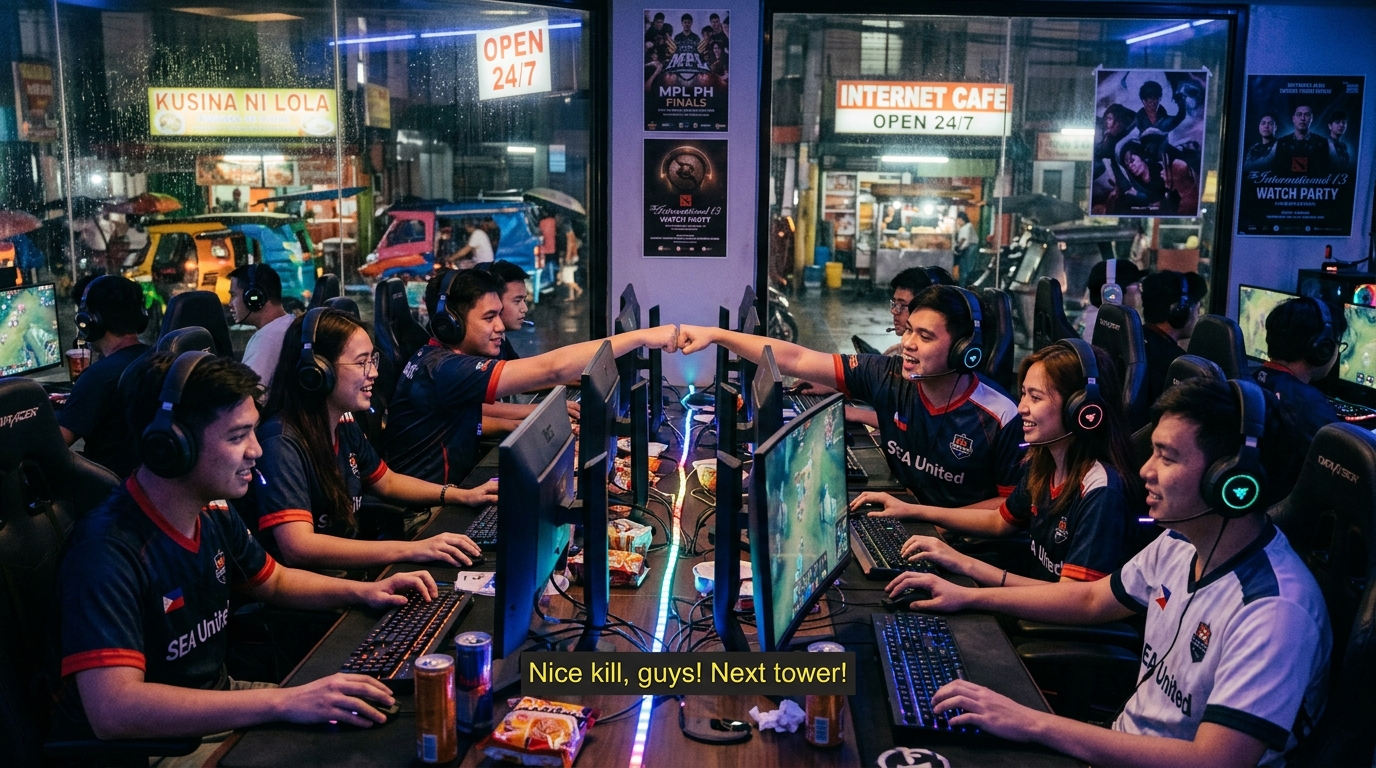
Online gaming communities in Southeast Asia have experienced massive growth over the past decade, transforming from small hobby groups into large, highly active digital ecosystems. The region has become one of the fastest-growing gaming markets in the world due to its young population, affordable smartphones, and widespread internet access. With millions of daily active gamers, Southeast Asia is now a global hub for online multiplayer games, esports, streaming culture, and community-driven gaming platforms.
The rise of these communities is not just about playing games—it is about connection, entertainment, competition, and even career opportunities.
Why Online Gaming Is Growing So Fast in Southeast Asia
One of the biggest reasons for the rapid growth of gaming communities in Southeast Asia is mobile accessibility. Unlike regions that depend heavily on expensive gaming consoles or PCs, Southeast Asia is largely mobile-first. Most users access games through smartphones, making gaming more affordable and accessible to a wider audience.
The region is home to hundreds of millions of gamers, and mobile games dominate user engagement. Popular titles like Mobile Legends: Bang Bang, PUBG Mobile, and Free Fire have built massive online communities where players interact daily through chat, squads, and ranked competitions. This mobile-first environment has made gaming a social activity rather than just entertainment.
The Role of Social Interaction in Gaming Communities
Gaming in Southeast Asia is highly social. Players do not just play games; they build friendships, form teams, and participate in community discussions across multiple platforms. Many gamers actively engage in livestreams, Discord groups, Facebook communities, and in-game chat systems.
Research shows that a large percentage of gamers in the region regularly watch gaming livestreams and participate in online discussions, making community engagement a core part of the gaming experience.
This strong social interaction has turned gaming into a cultural activity where people connect, share strategies, and build long-term digital relationships.
Esports and Competitive Gaming Growth
Esports has played a major role in strengthening online gaming communities across Southeast Asia. Competitive gaming is now recognized as a legitimate career path, with professional tournaments, sponsorships, and national-level competitions becoming increasingly common.
Countries like the Philippines, Indonesia, Thailand, and Vietnam have large esports audiences, and many players aspire to become professional gamers or content creators.
Esports events also attract millions of viewers online, further strengthening community engagement and encouraging more players to participate in competitive gaming environments.
Role of Content Creators and Streamers
Content creators and streamers have become the backbone of online gaming communities in Southeast Asia. Platforms like YouTube, TikTok, and Facebook Gaming allow gamers to share gameplay, tutorials, and entertainment content with large audiences.
More than half of gamers in the region discover new games through creators rather than traditional advertising.
This creator-driven ecosystem has transformed how games are promoted and played. Influencers now shape gaming trends, build communities, and even help games go viral across the region.
Mobile Gaming as the Dominant Force
Mobile gaming is the foundation of Southeast Asia’s gaming community growth. With affordable smartphones and improved internet connectivity, millions of users are able to join online games without expensive equipment.
Around 70% of gaming activity in Southeast Asia comes from mobile platforms, making it the dominant force in the region’s gaming ecosystem.
This accessibility has allowed people from different economic backgrounds to participate equally in online gaming communities, making the ecosystem highly diverse and inclusive.
Economic Impact of Gaming Communities
The growth of online gaming communities has also contributed significantly to the regional economy. Southeast Asia’s gaming market is valued in billions of dollars and continues to expand steadily.
Gaming companies, streaming platforms, esports organizations, and digital advertisers all benefit from this ecosystem. In-game purchases, sponsorships, and digital events generate continuous revenue while supporting thousands of jobs in the industry.
Cultural Influence of Gaming in the Region
Online gaming is no longer just entertainment in Southeast Asia—it has become part of modern youth culture. Many gamers express their identity through games, avatars, and online communities. Gaming events, cosplay, and esports tournaments are now part of mainstream entertainment culture.
In countries like the Philippines, gaming is deeply integrated into social life, with millions of active players participating in online communities daily.
This cultural acceptance has helped gaming evolve into a respected and widely recognized activity.
Challenges Facing Gaming Communities
Despite rapid growth, online gaming communities also face challenges such as internet inequality in rural areas, toxic behavior in online spaces, and regulatory differences across countries.
Additionally, the fragmentation of platforms and payment systems can make it difficult for developers and communities to operate smoothly across the entire region.
Future of Online Gaming Communities in Southeast Asia
The future of gaming communities in Southeast Asia looks highly promising. With advancements in 5G technology, cloud gaming, and AI-driven personalization, the region is expected to see even stronger engagement in online gaming.
Gaming is also expected to become more creator-driven and socially integrated, with communities playing a bigger role in how games are developed, marketed, and experienced.
Conclusion
Online gaming communities in Southeast Asia are growing rapidly due to mobile accessibility, strong social interaction, and the rise of esports and content creators. These communities are no longer just about playing games—they represent a powerful digital culture that connects millions of people across the region.
As technology continues to evolve, Southeast Asia will remain one of the most important global centers for online gaming communities, shaping the future of interactive entertainment and digital social experiences.
