
Walk into any busy restaurant today and you’ll see more than chefs, servers, and guests. There’s another system quietly running in the background-screens lighting up, orders syncing in real time, stock levels updating without anyone reaching for a clipboard.
Restaurant management has changed. Not overnight, but steadily. What used to rely on paper tickets, memory, and end-of-night calculations now runs on connected systems that keep everything moving. Faster. Smarter. With fewer gaps.
And here’s the thing-it’s not just about efficiency. It’s about consistency. The kind that keeps customers coming back because their experience feels seamless, even when the restaurant is packed.
This shift is visible across different types of venues. From refined dining spaces to lively music-led spots and neighbourhood takeaways, tech is shaping how kitchens operate and how teams stay in control.
The Shift From Manual to Smart Systems
Not long ago, restaurant operations relied heavily on instinct. A chef would estimate stock. A manager would track sales mentally. Orders would pile up on paper slips-sometimes legible, sometimes not.
It worked. But it wasn’t scalable.
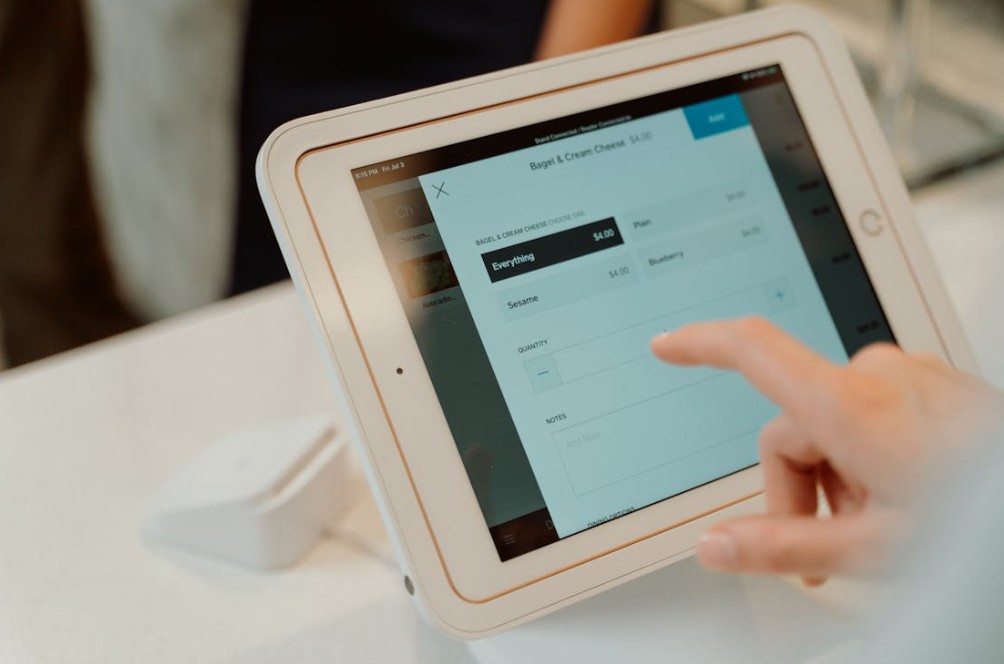
Today, most restaurants lean on systems like Square POS or Toast POS to centralise everything. Orders go straight from table to kitchen. Inventory updates automatically. Sales data builds a clear picture of what’s working.
Interestingly, hospitality reports often point out that restaurants using integrated tech see fewer order errors and better stock control. That’s not surprising. When systems talk to each other, teams spend less time fixing mistakes and more time focusing on service.
Orders: Where It All Begins
Every restaurant story starts with an order.
A guest chooses a dish. A server inputs it. The kitchen prepares it. Simple, right? In reality, this is where things can go wrong-or right.
Digital ordering systems remove friction. They reduce miscommunication between front and back of house. They timestamp every request. They prioritise dishes based on prep time.
At places like Santos + Co, where menus feature Portuguese small plates (petiscos), curated wine pairings, and craft cocktails, this matters. When diners order multiple dishes to share, timing becomes critical. You don’t want everything arriving at once-or too far apart.
A well-integrated POS system ensures that plates flow naturally. It supports the rhythm of the meal, not just the mechanics of it.
And for a restaurant built around Portuguese cuisine with British seasonal ingredients, consistency is everything. Guests expect each visit to feel just as considered as the last. Tech helps deliver that without overcomplicating the kitchen’s work.
Inventory: The Quiet Backbone of Every Kitchen
Now shift your focus behind the scenes.
Inventory might not be glamorous, but it’s where restaurants either lose money-or protect it.
Over-order, and you waste produce. Under-order, and you disappoint guests.
Modern inventory systems track usage in real time. Sell ten portions of a dish, and the system adjusts stock automatically. It can even flag when ingredients are running low or predict demand based on past trends.
This kind of insight changes how kitchens operate.
Imagine a chef preparing for a busy weekend. Instead of guessing, they’re working with data. They know which dishes sell fastest. They know how much to prep. They reduce waste without limiting choice.
A key takeaway is this: good inventory systems don’t just track stock-they guide decisions.
The Role of Integration: When Systems Work Together
Here’s where things get interesting.
Orders, payments, inventory, staffing-these aren’t separate tasks anymore. They’re connected.
When a guest orders through a digital menu, that data flows into the POS system. The POS updates inventory. Sales reports adjust in real time. Managers can see what’s happening across the entire operation-live.
This level of integration creates clarity.
At a venue like Musica, where you’ve got live music events, cocktails, sharing plates, and late-night dining, coordination matters even more. The pace changes throughout the night. Pre-drinks turn into dinner. Dinner turns into a packed dancefloor.
Tech helps the team keep up.
Orders don’t get lost in the noise. The bar knows what’s moving quickly. The kitchen can handle spikes in demand without falling behind. And management can adjust staffing or stock based on real-time data.
It’s not about replacing people. It’s about supporting them.
Real-Time Data: The New Decision-Maker
Restaurants generate a huge amount of data every day.
What sells best. What time people order. Which dishes get returned. Which nights are busiest.
Without tech, most of that data disappears.
With it, patterns start to emerge.
A manager might notice that certain dishes peak on weekends. Or that a cocktail performs better during live events. Or that a delivery item consistently gets high ratings.
These insights shape menus. They influence pricing. They even guide marketing decisions.
Notably, this shift towards data-driven management reflects broader trends across industries. Businesses that act on real-time insights tend to adapt faster-and restaurants are no exception.
Delivery and Takeaway: Tech Extends the Kitchen
The rise of delivery apps changed everything.
Suddenly, restaurants weren’t just serving diners in-house. They were reaching customers at home, at work, anywhere.
That expansion comes with complexity. More orders. Different timings. Packaging considerations.
Tech bridges the gap.
At Iford Tandoori, known for Indian takeaway, fast delivery, and online ordering, this is especially clear. Orders come in digitally. The system processes them instantly. The kitchen prepares dishes with clear timing. Delivery stays efficient.
Customers expect speed-and consistency.
When someone orders a curry, they want it hot, accurate, and on time. Tech makes that possible without overwhelming the team.
It also helps maintain hygiene and quality standards by tracking preparation times and order flow.
Staff Efficiency: Making Workflows Smoother
Let’s talk about people.
Restaurants don’t run on systems alone. They run on teams. And tech, when used well, makes their jobs easier.
Servers spend less time writing orders and more time engaging with guests. Chefs receive clearer instructions. Managers gain visibility without micromanaging.
Even scheduling becomes smarter. Systems can predict busy periods and suggest staffing levels.
This creates a better working environment.
And when staff feel supported, service improves naturally.
The Balance: Tech Without Losing Personality
There’s a common concern: does technology make restaurants feel less human?
It can-but only if it’s used poorly.
The best restaurants treat tech as a tool, not a replacement. It handles the repetitive tasks. It keeps operations smooth. But it doesn’t replace hospitality.
That’s still human.
A warm welcome. A well-timed recommendation. A sense that someone’s paying attention. Those things don’t come from software.
They come from people who now have the time and clarity to focus on them.
A Simple Framework for Modern Restaurant Management
If you strip it back, tech-driven restaurant management follows a clear flow:
- Capture orders accurately
- Sync them instantly with the kitchen
- Track inventory in real time
- Use data to refine decisions
- Support staff with better tools
It’s not complicated. But when done well, it transforms how a restaurant operates.
Final Thoughts: Why Tech Matters More Than Ever
Restaurant management isn’t getting simpler. Expectations are higher. Competition is tighter. Margins are thinner.
But technology offers a way forward.
It brings clarity where there used to be guesswork. It creates consistency where there used to be variation. And it frees up time-time that can be spent improving food, service, and overall experience.
From Portuguese-inspired dining at Santos + Co, to live music energy at Musica, to fast, reliable Indian takeaway at Iford Tandoori, the common thread is clear: tech supports the experience without overshadowing it.
And that’s the goal.
Because at the end of the day, diners don’t think about systems. They think about how a place made them feel.
Tech just makes sure that feeling stays consistent-every single time.
