
What Makes Italian Cuisine So Universally Loved? A Closer Look at Tradition, Flavor, and Craft
Italian cuisine has a unique ability to feel both simple and deeply sophisticated at the same time. Across continents, cultures, and generations, it continues to be one of the most celebrated food traditions in the world. But what exactly makes Italian food so universally appealing?
The answer lies not just in taste, but in history, technique, and a philosophy that values quality over complexity.
The Beauty of Simplicity in Italian Cooking
One of the defining characteristics of Italian cuisine is its simplicity. Unlike many culinary traditions that rely on heavy seasoning or complex layering, Italian cooking focuses on doing more with less.
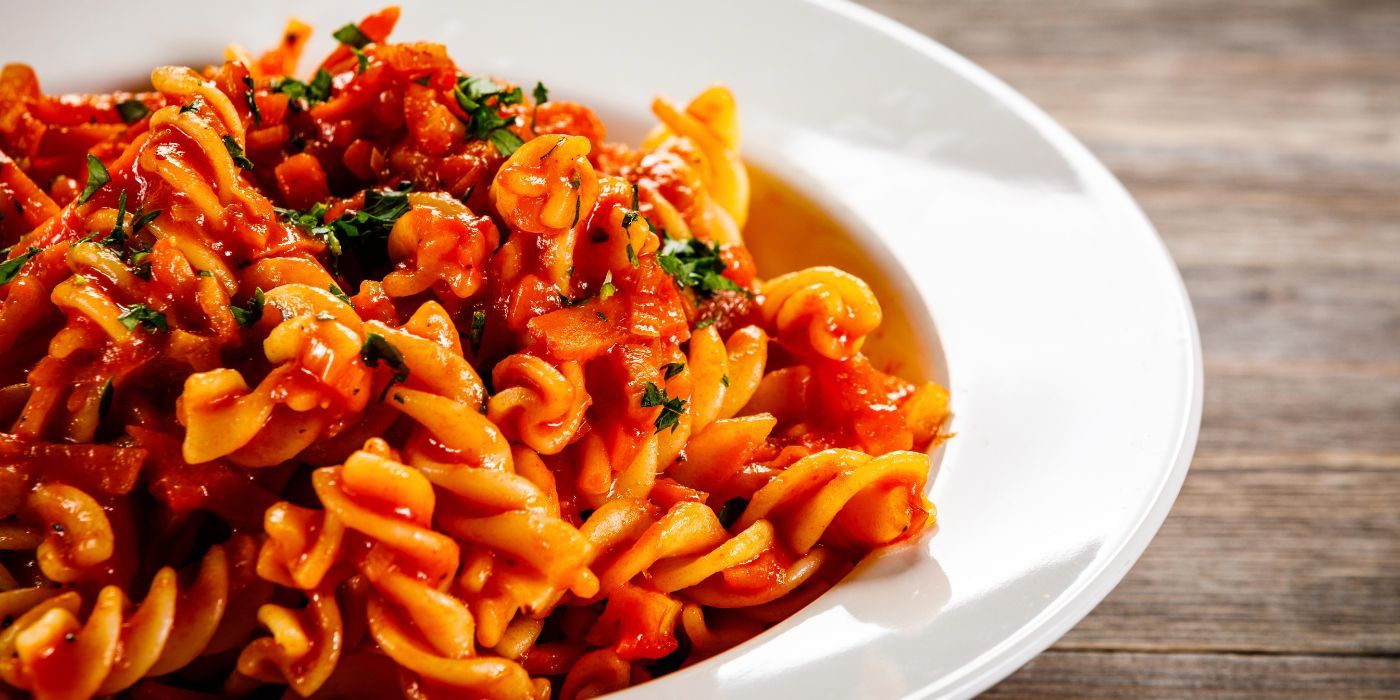
A classic pasta dish, for example, may include just a handful of ingredients—olive oil, garlic, tomatoes, and herbs—but the magic comes from how those ingredients are treated. Freshness, timing, and balance play a much bigger role than quantity.
This philosophy has helped Italian cuisine remain timeless. Whether it’s a rustic plate of pasta or a carefully prepared steak, the emphasis is always on letting the ingredients shine.
Regional Diversity: More Than Just Pizza and Pasta
Many people associate Italian food with pizza and pasta, but the reality is far more diverse. Each region of Italy has its own identity, shaped by geography, climate, and local culture.
- Northern Italy is known for creamy sauces, risottos, and butter-based dishes
- Central Italy focuses on olive oil, grilled meats, and simple pastas
- Southern Italy highlights tomatoes, seafood, and bold Mediterranean flavors
This regional diversity is one of the reasons Italian cuisine never feels repetitive. Every dish tells a story about where it comes from.
The Role of Technique in Italian Cuisine
Italian cooking may appear simple, but it requires precision. Cooking pasta to the perfect “al dente” texture, balancing acidity in sauces, or grilling meat just right are all skills that take time to master.
Even something as straightforward as pizza involves careful attention to dough fermentation, oven temperature, and ingredient pairing.
Restaurants that focus on authenticity often prioritize these techniques, ensuring that traditional methods are preserved while still adapting to modern tastes.
The Growing Demand for Halal Italian Dining
As global dining preferences evolve, there has been a noticeable increase in demand for halal-certified cuisine across different food categories—including Italian.
For many diners, this is not just about dietary requirements but also about trust and transparency. Halal Italian restaurants are bridging a gap by offering authentic flavors while maintaining strict quality and sourcing standards.
This shift has also encouraged restaurants to rethink their menus, ensuring that classic dishes like steaks, pasta, and pizzas can be enjoyed by a wider audience without compromising on authenticity.
Dining as an Experience, Not Just a Meal
Italian culture has always placed strong emphasis on the dining experience. Meals are not rushed; they are meant to be enjoyed slowly, often shared with family and friends.
This mindset has influenced how Italian restaurants operate worldwide. From ambiance to service, the goal is to create an environment where people can relax and connect.
For those exploring options locally, finding a place that balances authenticity with atmosphere can make a significant difference. Many consider spots like the Best Italian restaurant in Park Ridge not just for the food, but for the complete dining experience they offer.
Exploring Modern Italian Menus
Today’s Italian restaurants are evolving while staying rooted in tradition. Menus often combine classic recipes with modern presentation and diverse dietary considerations.
From wood-fired pizzas to premium steak cuts and handcrafted pasta, there is a growing emphasis on variety without losing authenticity. Reviewing a well-structured menu can give insight into how a restaurant approaches its craft. For example, browsing the DUA Italian Restaurant Menus can help diners understand how traditional Italian elements are adapted to suit contemporary preferences.
Why Italian Cuisine Continues to Thrive
The enduring popularity of Italian food comes down to a few key factors:
- It is approachable yet refined
- It values quality ingredients
- It adapts easily across cultures
- It emphasizes experience as much as taste
These qualities ensure that Italian cuisine remains relevant, whether in its traditional form or through modern interpretations.
Final Thoughts
Italian cuisine is more than just a category of food—it’s a reflection of culture, craftsmanship, and a deep respect for ingredients. Its ability to evolve while staying true to its roots is what keeps it at the forefront of global dining.
For anyone interested in exploring it further, understanding the philosophy behind the dishes can be just as rewarding as tasting them.