
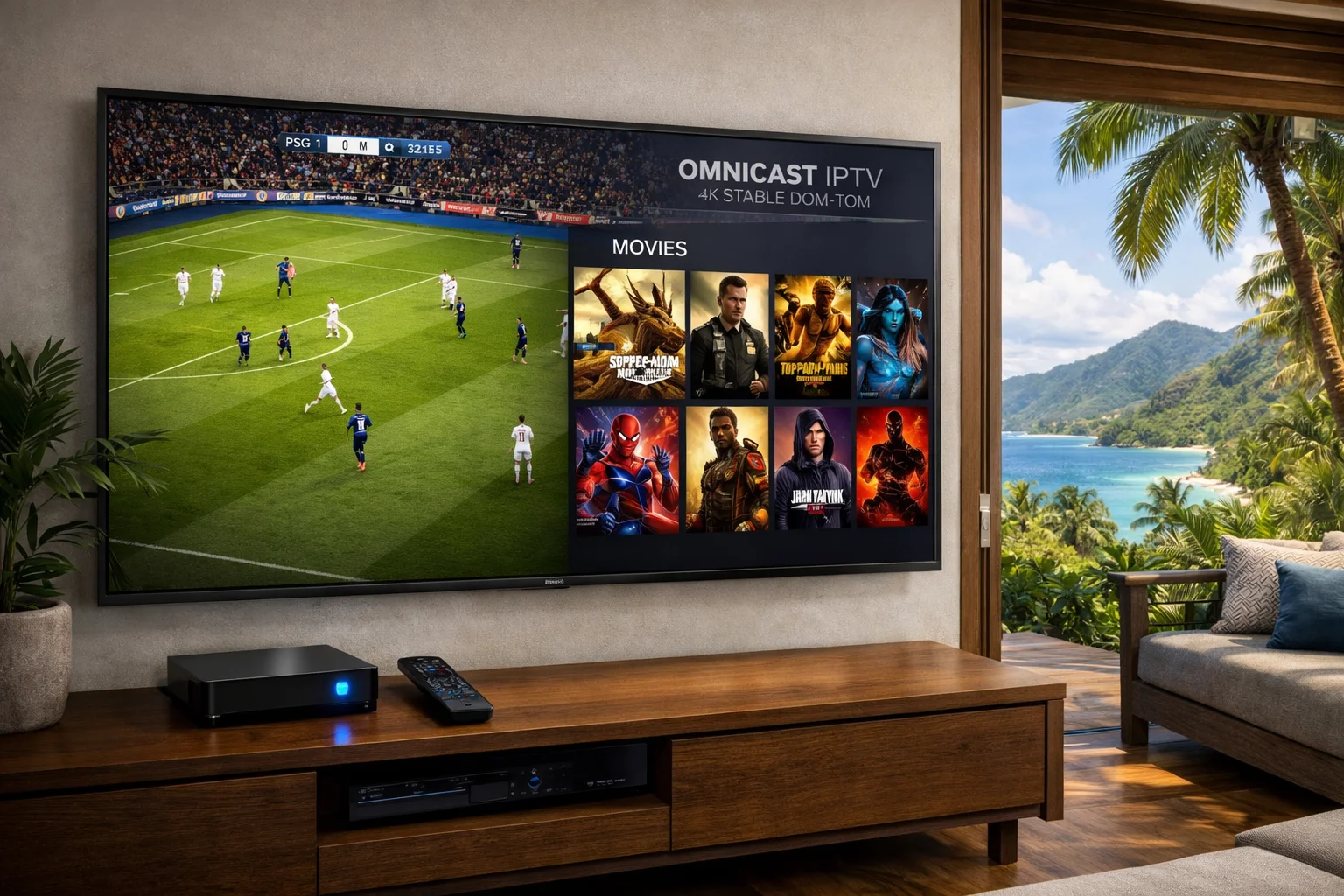
Over the past decade, home entertainment has evolved from a simple convenience into a fully immersive digital ecosystem. Traditional broadcasting schedules, physical media collections, and regional content limitations have steadily given way to a new global standard: instant, borderless streaming.
In 2026, this transformation is no longer experimental. It is structural.
Consumers no longer tolerate buffering delays, limited channel lineups, or geographical restrictions. With fiber-optic infrastructure expanding across Europe, North America, and the GCC region—combined with widespread 5G deployment—high-definition and ultra-high-definition content has become the baseline expectation rather than a luxury. 4K streaming is standard. 8K adoption is accelerating. HDR formats enhance realism. Surround sound systems replicate cinema acoustics at home.
But the real revolution is not just technical—it is cultural.
From Local Broadcasting to Global Access
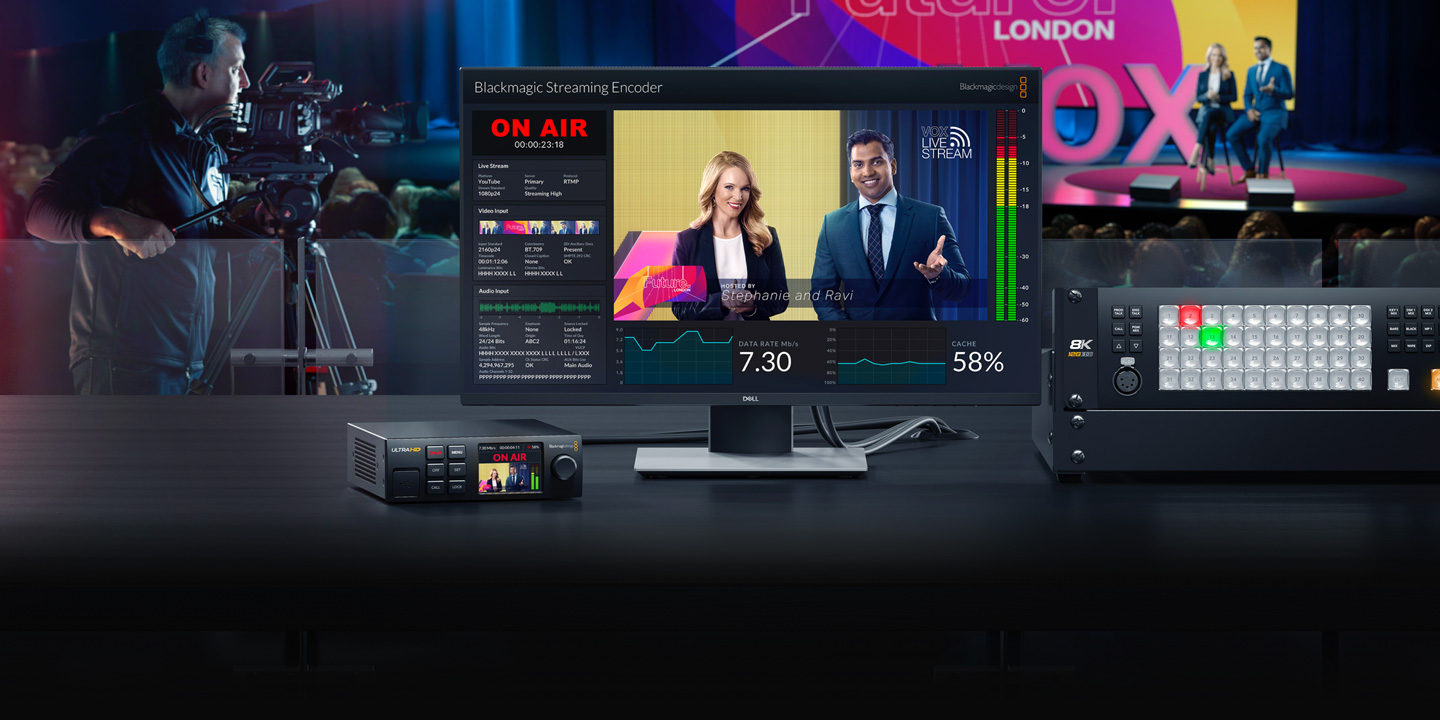
Entertainment has shifted from nationally curated programming to globally synchronized content distribution. Viewers in Helsinki, Toronto, or Dubai can access the same live sports event, international film premiere, or trending series at the exact same moment.
This globalization of media consumption has reshaped audience behavior. Rather than passively consuming scheduled content, users now build personalized libraries that reflect their tastes, languages, and interests. Advanced recommendation engines powered by AI analyze viewing patterns and adapt in real time, delivering hyper-relevant suggestions that keep engagement high.
Modern cloud-based delivery systems distribute thousands of live channels and on-demand titles simultaneously across multiple continents. The scale of this infrastructure is massive—built on distributed servers, smart load balancing, and adaptive bitrate streaming that ensures stable playback even when bandwidth fluctuates.
Quality, Stability, and Scale: The New Expectations
In today’s environment, variety alone is not enough. Stability defines credibility.
Users demand:
- Instant channel switching
- Minimal latency for live sports
- Multi-device compatibility
- Smart TV integration
- Consistent HD and 4K clarity
Platforms that fail to deliver reliability lose trust quickly. This is where solutions engineered around performance and scalability stand out.
One example is Omnicast, which positions itself as a global streaming solution focused on stability, channel diversity, and adaptive delivery technology. By prioritizing infrastructure resilience and optimized streaming protocols, such platforms aim to provide uninterrupted viewing experiences across varying internet speeds and regions.
As streaming ecosystems mature, backend engineering has become as important as content libraries. Intelligent CDN routing, anti-freeze buffering algorithms, and cloud-synchronized distribution networks are now core differentiators in this industry.
The End of Geographical Barriers
Another defining shift in 2026 is the disappearance of regional limitations.
Advanced subtitling systems, AI-powered translation tools, and synchronized dubbing technologies have made cross-language viewing seamless. International series no longer feel foreign. Live sports are no longer confined to national broadcasters. Global premieres are accessible from virtually anywhere.
For viewers in Nordic countries, North America, or emerging markets, the experience is increasingly unified: one interface, thousands of channels, worldwide content.
This shift is reshaping not only entertainment but cultural exchange. Streaming platforms now act as bridges between continents, expanding exposure to diverse storytelling styles, sports leagues, and cinematic traditions.
The Future of Home Cinema
Looking ahead, the next phase of streaming will likely integrate:
- AI-driven personalized content feeds
- Edge-computing for ultra-low latency
- Enhanced interactive viewing experiences
- Cloud-based DVR functionality
- Seamless smart-home integration
Home cinema is no longer about a single television screen. It is an interconnected digital hub spanning smartphones, tablets, projectors, and smart TVs.
The future of entertainment is not limited by hardware or geography. It is defined by access, speed, and intelligent delivery systems.
In 2026, global streaming is not simply an alternative to traditional television—it is the new standard.